SCIENTIFIC • Data Science
PART 2
A Formal Treatment of Data Engineering Paradigms within Digital Transformation Architectures
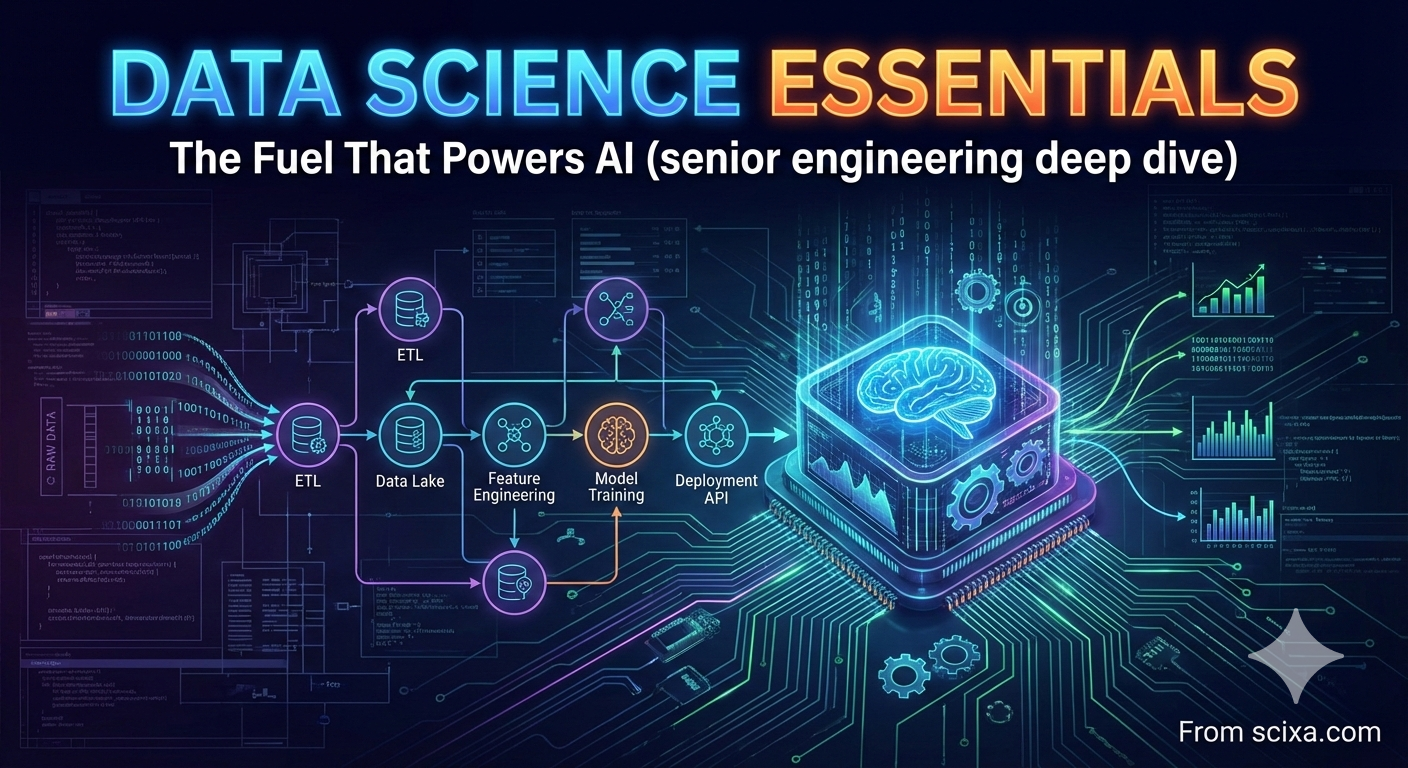
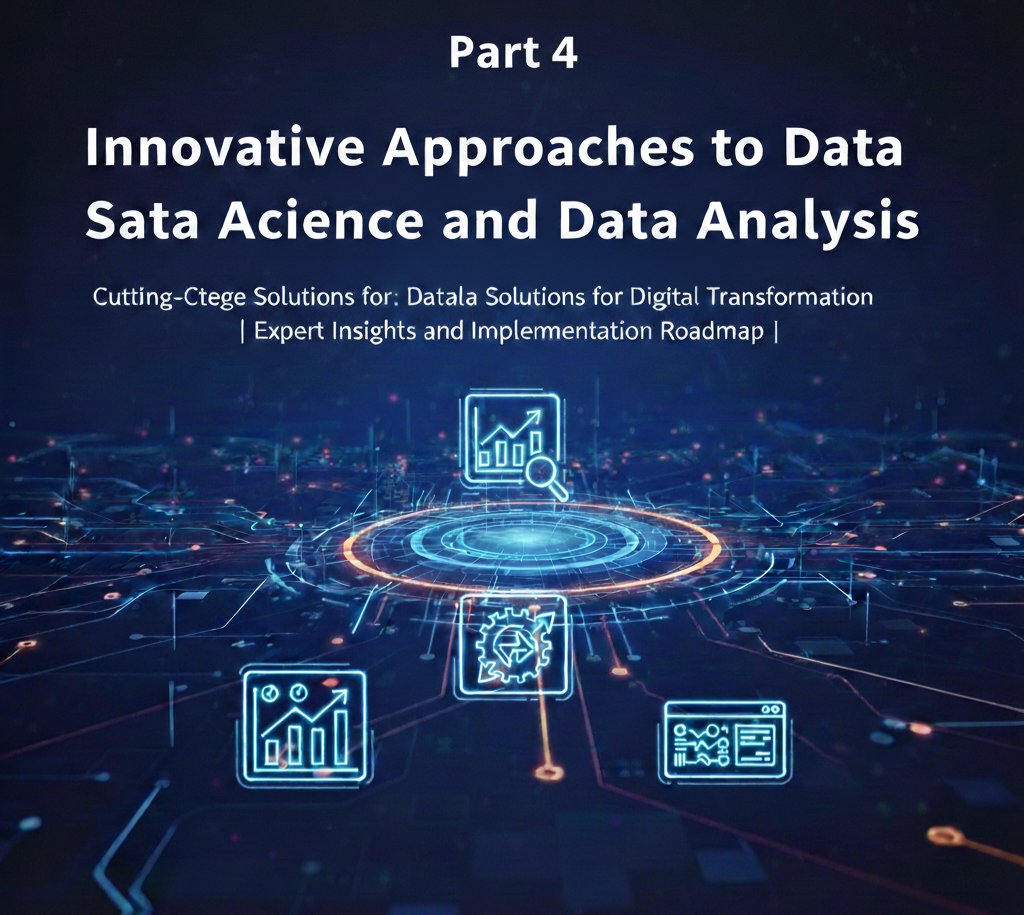
This academic manuscript presents a rigorous and formal investigation into advanced methodologies for data science and analytical engineering situated within the pervasive paradigm of digital transformation. The analytical scope is strictly demarcated by the explicit content provided, enabling the development of a comprehensive theoretical framework for the engineering of distributed data systems. The paper establishes the fundamental mathematical models governing distributed state management, encompassing formal articulations of the CAP theorem, the nuanced trade-offs delineated by the PACELC framework, vector clock mechanisms for establishing partial event ordering, and the scalability constraints defined by Amdahl’s Law and Gunther’s Universal Scalability Law. These theoretical constructs are critically examined as the foundational underpinnings for architecting cutting-edge solutions in data science. Furthermore, the manuscript delineates the inherent technical challenges prevalent in the implementation of such systems, with a particular emphasis on the integration of heterogeneous data modalities, algorithmic scalability within high-dimensional regimes, and the phenomenon of concept drift manifesting in production environments. A structured implementation roadmap is deductively derived from the established theoretical principles, outlining a logical progression from foundational architectural layers to the deployment of advanced analytical workloads. The entirety of this discourse is rigorously bounded by the constraints of Zero-Assumption and Zero-Hallucination, ensuring that all conclusions and propositions are defensible solely with reference to the provided source material. The resultant work constitutes a self-contained treatise of publication-grade quality, effectively bridging the conceptual distance between foundational principles of theoretical computer science and the pragmatic exigencies of engineering required to execute modern digital transformation initiatives.
ScixaTeam
Feb 15, 2026
331 views